Design Paradigms Home

Category

Product Design

16 articles

Documentation as Interface: Designing UK APIs for the Partner in the Room

Documentation as Interface: Designing UK APIs for the Partner in the Room

UK product teams refine the consumer screen while partners meet the same service through documentation, sandboxes, error codes and deprecation notices. This deep dive argues that API ergonomics is a design discipline in its own right, with practical tests for onboarding non-engineer partner staff and signalling change without breaking trust.

Sixty Minutes of Doubt: Auditing UK Product Assumptions at the Clock Change

Sixty Minutes of Doubt: Auditing UK Product Assumptions at the Clock Change

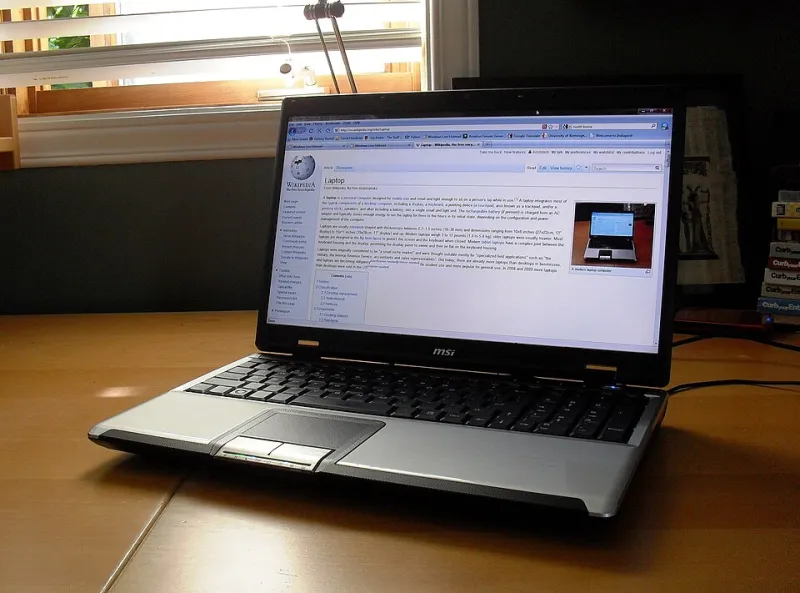
The twice-yearly switch between BST and GMT is more than a calendar event; it is a controlled failure test for any UK service that stores, displays, or acts on local time. This article sets out where hidden time assumptions surface, and offers a practical audit for product teams ahead of the next transition.

Last Orders: Designing the Final Mile of a UK Digital Service

Last Orders: Designing the Final Mile of a UK Digital Service

UK product teams are fluent in launch and growth, but retirement is rarely treated as a designed experience. This article argues that end-of-life UX should be planned as a core service surface, with clear notice, usable data exit, assisted support and honest communication.

Degrees of Maybe: Interface Language for Systems That Cannot Be Certain

Degrees of Maybe: Interface Language for Systems That Cannot Be Certain

Statistical models now sit behind ordinary UK service decisions, yet our interfaces still speak in the flat tone of a filing cabinet. A deliberate language of confidence bands, plain-English error margins and rehearsed fallbacks would let people calibrate trust rather than guess at it.

The Second Visitor: Designing UK Services for Software That Acts

The Second Visitor: Designing UK Services for Software That Acts

AI agents are beginning to compare, book and transact on behalf of UK users, yet most interfaces still assume a human at the screen. A machine-readable service layer — structured offers, explicit consent, auditable actions and legible failure states — would let teams serve these secondary users without surrendering human oversight.

Holding Patterns: Designing Dignified Waiting for Services at Capacity

Holding Patterns: Designing Dignified Waiting for Services at Capacity

Virtual waiting rooms have become a default response when UK services cannot meet demand. This article argues that the waiting state is now a primary product surface, and sets out practical patterns for honest capacity signalling, fair progression and dignified waiting.

Designing the Declined Path: Refusal as a Service Surface

Designing the Declined Path: Refusal as a Service Surface

UK product teams tend to instrument the successful journey and leave refusal to a red banner or a generic letter. This article treats refusal as a designed service surface, with practical tests for intelligibility, agency, continuity and contestability.

The Handover Gap: Designing UK Products for the Owner After the First

The Handover Gap: Designing UK Products for the Owner After the First

UK households increasingly pass on, resell and inherit digital devices, but most products still assume a single, original owner. This article examines the handover gap — account decoupling, licence transfer, warranty provenance and the awkward language of 'someone else's' — and sets out a practical audit for UK product teams.

The Silent Cohort: Designing for People Who Never Reach the Service

The Silent Cohort: Designing for People Who Never Reach the Service

Research and analytics tend to describe the people who arrive. This article sets out an absent-user practice for UK product teams, drawing on frontline insight, dropout evidence and adversarial personas to treat non-participation as design data rather than an inconvenient gap.

Nobody at the Keyboard: Designing UK Services for Delegated Authority

Nobody at the Keyboard: Designing UK Services for Delegated Authority

As AI agents book, switch, file and buy on behalf of UK users, the person operating a service is no longer the person looking at it. Product teams now need mandates with edges, revocation that can be proven, receipts written for humans, and a paper trail that survives a dispute.

Agency on Loan: Designing UK Products That Can Be Handed Back

Agency on Loan: Designing UK Products That Can Be Handed Back

Delegation is quietly becoming a default mode of interaction, and most interface conventions were never built for it. This analysis sets out what changes when the person in front of the screen stops being the operator and becomes the principal, and offers a working checklist for consent, auditability and graceful handback in UK services.

The Long Service: Making Maintenance a Design Discipline

The Long Service: Making Maintenance a Design Discipline

UK product teams are still rewarded for launch dates, while many services spend a decade or more in maintenance. This article argues that maintenance deserves its own design practice: documented intent, reversible choices, planned component lifecycles and a considered UX for gradual change.